
Imagine settling in on a crisp autumn evening, the golden light from your window illuminating a bubbling pot of hearty vegetable stew. The air is rich with the scent of cinnamon, garlic, and roasted squash—a comforting hug in a bowl. There’s something magical about fall veggies simmered slowly until they release their natural sweetness and mingle perfectly with warming spices. Whether you’re craving a cozy solo dinner or a dish to share with loved ones, a flavor-packed fall veggie stew is the ultimate way to celebrate the season’s bounty.
Gather Your Fall Favorites: The Heart of the Stew
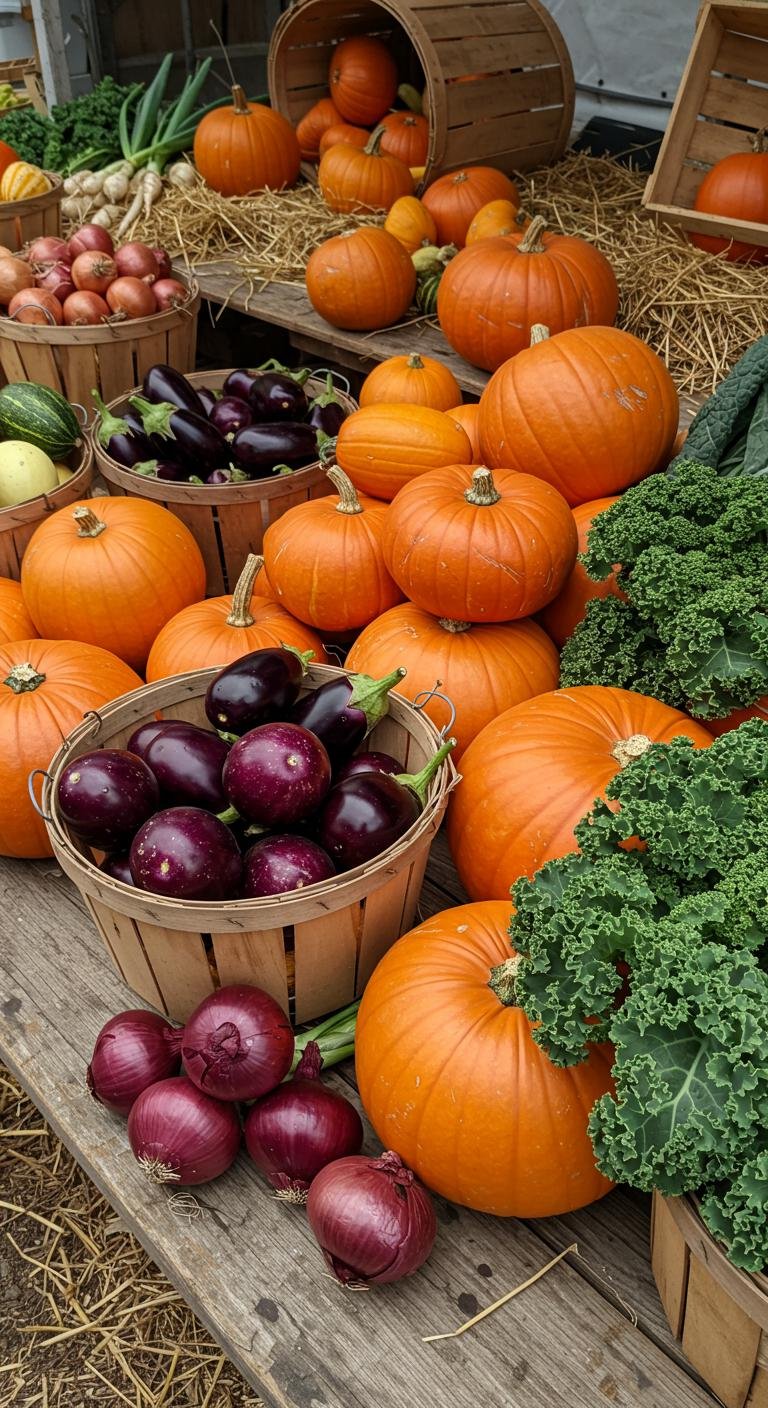
Fall is a celebration of earthy, vibrant veggies that bring color and depth to any meal. Start by selecting your produce:
- Root vegetables: Carrots, parsnips, sweet potatoes, and turnips offer sweetness and texture.
- Squashes: Butternut, acorn, or delicata provide a buttery richness.
- Greens: Kale or Swiss chard add a pop of color and a slight bitterness that balances the stew.
- Alliums: Onion and garlic build the flavor base.
- Optional add-ins: Mushrooms for umami, canned tomatoes for acidity, or beans for protein.
Tip: Opt for organic or locally sourced produce to amplify freshness and support farmers during the harvest season.
Prepping Your Veggies Like a Pro
Once you have your veggies, proper prep is key for texture and layering flavors:
- Peel and chop uniformly: Cut root vegetables into roughly the same size (about 1-inch cubes) so they cook evenly.
- Separate quick-cooks from slow-cooks: Add quicker-cooking greens and mushrooms closer to the end of simmering.
- Toast your spices: This step unlocks hidden aromas. Consider cinnamon sticks, a bay leaf, smoked paprika, or warm cumin.
Pro tip: Save time by peeling and chopping veggies the night before. Store them in airtight containers and you’ll be ready to cook in minutes.

Building Layers of Flavor: Step-by-Step Cooking
Here’s a simple, foolproof way to develop deep flavors in your stew:
- Step 1: Heat olive oil or butter in a large pot over medium heat.
- Step 2: Sauté onions and garlic until soft and fragrant—about 5 minutes.
- Step 3: Add spices and toast for 1-2 minutes to release their oils.
- Step 4: Toss in root vegetables and squash. Stir to coat everything in the spiced oil.
- Step 5: Pour in vegetable broth (or a mix of broth and water) until veggies are just covered.
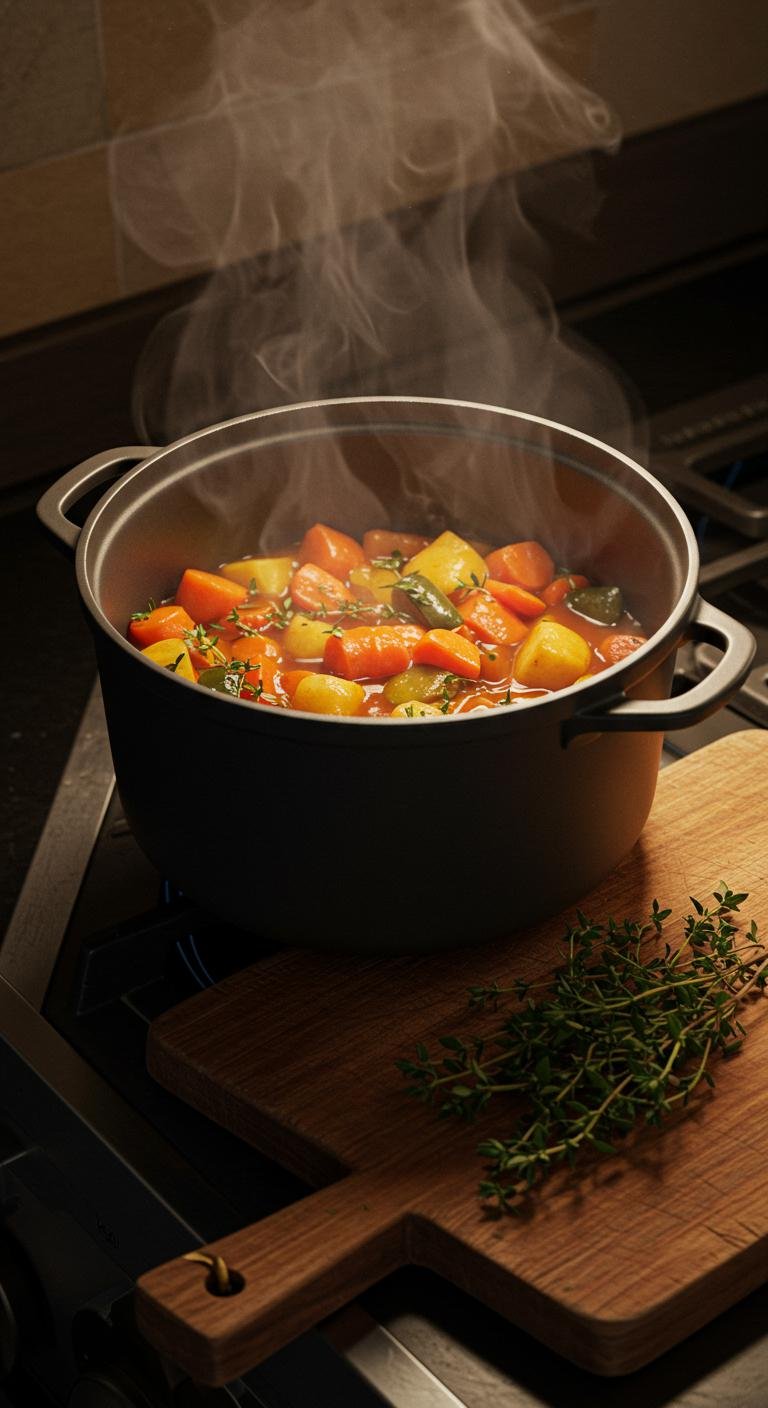
- Step 6: Bring to a simmer, then cover loosely and cook for 25-30 minutes until veggies are tender.
- Step 7: Stir in leafy greens, canned tomatoes (if using), and any quick-cooking add-ins. Simmer uncovered for another 5-10 minutes.
Tip: If you want a thicker stew, mash a few of the cooked root veggies against the side of the pot or stir in a spoonful of cooked lentils.
Finishing Touches and Flavor Boosters
Your stew is almost ready, but these small tweaks make a big difference:
- Acidity: A splash of apple cider vinegar, lemon juice, or a dollop of tangy yogurt brightens the flavors.
- Herbs: Add fresh parsley, thyme, or rosemary right before serving for freshness.
- Heat: A pinch of red pepper flakes or a dash of smoked paprika adds warmth without overwhelming.
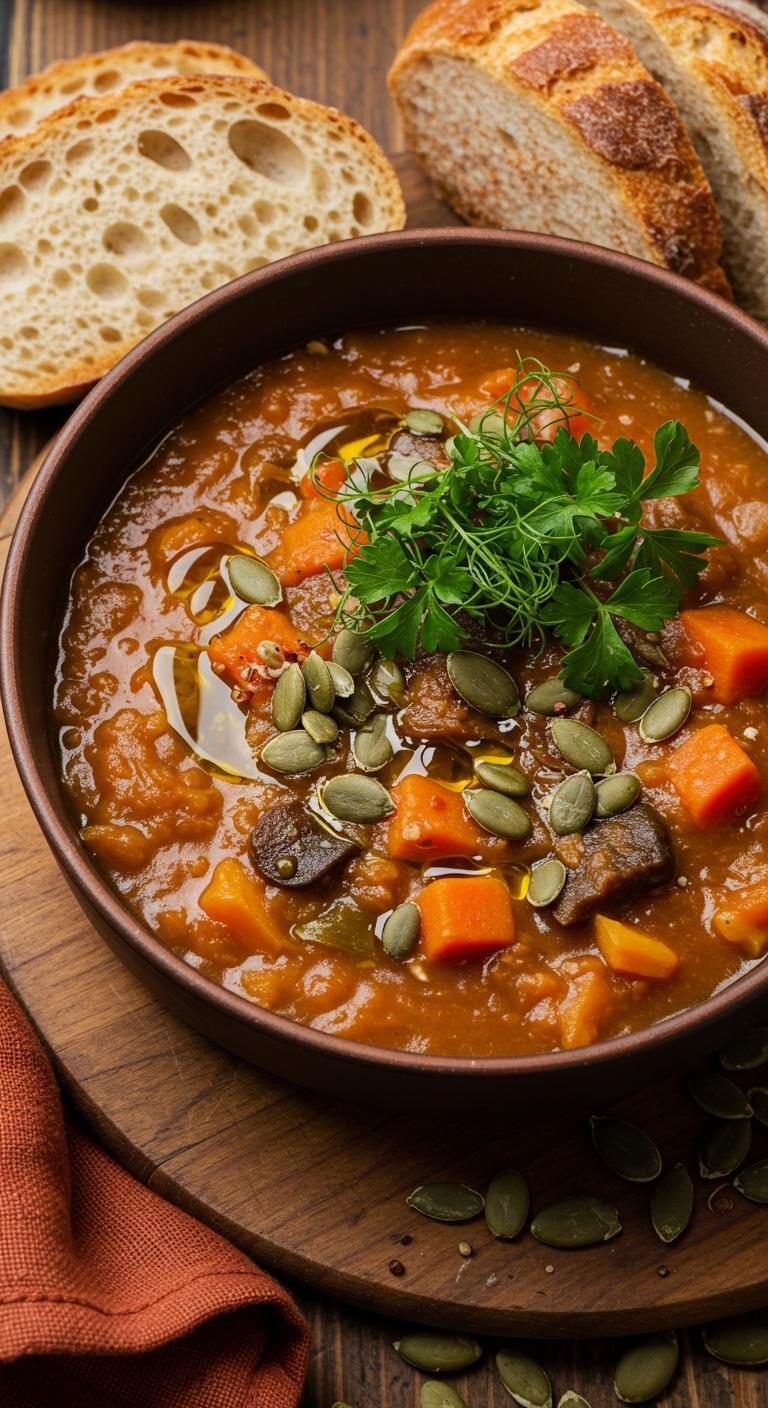
- Seeds and nuts: Toasted pumpkin seeds or chopped walnuts add crunch and seasonal flair.
Don’t forget salt and pepper, which are crucial to bringing all the ingredients together. Taste as you go and adjust gradually.
Troubleshooting Common Issues
Even the best cooks run into hiccups. Here’s how to keep things on track:
- Stew too watery? Simmer uncovered longer or mash some veggies to thicken.
- Veggies undercooked? Cut them smaller next time or increase cooking time.
- Lacking depth? Don’t skip the toasted spices and sautéing steps—they build essential flavor.
- Too salty? Balance with a splash of acid, unsalted liquid, or a raw diced potato cooked briefly in the stew to absorb excess salt.
Remember, stew is forgiving—feel free to adjust to your taste and ingredient availability.
Beyond the Basics: Make It Your Own
Once you’re comfortable with the classic fall veggie stew, experiment!
- Add grains: Stir in cooked barley, farro, or quinoa for extra heartiness.
- Go international: Adjust spices for a Moroccan twist (cumin, coriander, cinnamon) or an Indian vibe (turmeric, garam masala, ginger).
- Top it off: Serve with a dollop of crème fraîche, shreds of sharp cheese, or a sprinkle of crunchy breadcrumbs.
Don’t be afraid to get creative—your kitchen is the best place to craft comfort and flavor just how you like it.
There you have it—your roadmap to a soul-warming, flavor-packed fall veggie stew that’s as beautiful as it is delicious. Keep this guide handy and revisit it whenever you want to embrace the season’s harvest in a big bowl of cozy goodness.
Save this guide for later and invite some fall magic to your kitchen!
Recent Posts
13 Hearty Sweet Potato and Black Bean Soup Recipes For a Nutritious Winter Dinner
! There’s something about food that feels like home. Today, we’re going to dive into a recipe that’s simple yet packed with the kind of comfort that feels like a warm hug on a cold day....
10 Quick and Healthy Salmon Salad Recipes For a Light Winter Meal
Intro Hey there, let’s get cooking! Salmon salads are a delightful way to savor the season’s flavors while keeping things light and nutritious. Today, I’m sharing 10 quick and healthy salmon...